☀️ Linen vs. Cotton: Which Natural Fabric Should Anchor Your Premium Wardrobe?

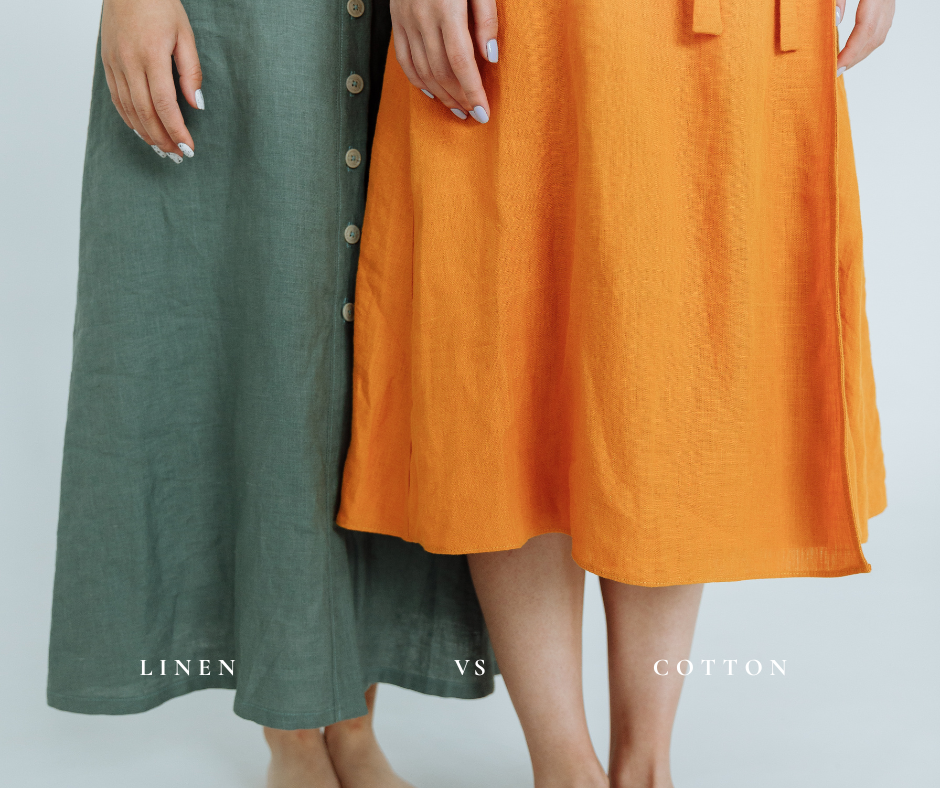
In the world of sustainable fashion and premium apparel, the debate between linen and cotton remains a timeless topic. Both are gifts from nature, but they serve distinct purposes. As a discerning buyer prioritizing quality, perfect fit, and comfort in challenging climates, understanding these differences is key to making an informed investment.
At House of Solaura, we champion natural fibers designed for the sun. Here is the ultimate 2025 guide to linen versus cotton, helping you build a smarter, more conscious wardrobe.
The Origin Story: The What & How?
While both are natural, biodegradable fibers, their source and production processes are vastly different, which directly impacts their performance and environmental footprint.
1. Cotton: The Soft, Fluffy Boll
What it's made of: Cotton is the soft, fluffy fiber that grows around the seeds of the cotton plant (
Gossypium).How it's made: The fibers are harvested from the bolls, cleaned, and then spun into yarn before being woven or knitted into fabric.
2. Linen: The Strong, Durable Flax Stalk
What it's made of: Linen is derived from the long, cellulose fibers found within the stalks of the flax plant (
Linum usitatissimum).How it's made: The process is significantly more labour-intensive, contributing to linen's higher cost:
Retting: The stalks are soaked (often naturally in water or dew) to allow bacteria to break down the pectin that binds the fibers.
Scutching & Hackling: The woody parts are beaten away, and the fibers are combed and separated into long, smooth strands.
Result: This meticulous process yields one of the world's strongest natural fibers, ideal for linen's durability vs cotton.
Beyond Wear: Skin Benefits and Investment Value
For a premium purchase, the fabric must also deliver long-term value and health benefits.
1. Benefits for the Skin
Both fabrics are naturally gentle and hypoallergenic, making them suitable for sensitive skin.
Linen's Edge: Linen has natural antimicrobial and antifungal properties. Its unique fiber structure prevents the build-up of bacteria and dust particles. This makes it an exceptionally hygienic choice for humid conditions where microbial growth is higher.
Cotton's Comfort: Cotton is immediately soft and gentle, offering a soothing, natural feel against the skin from the very first wear.
2. Durability and Longevity
The term investment pieces applies strongly here. Linen and high-quality cotton are built to last, but they age differently.
Linen: The flax fiber is incredibly strong and becomes stronger when wet. Linen garments are known to last for decades, growing softer, smoother, and more luxurious with every wash. This makes it the highest-value choice in the long run.
Cotton: It is durable but can thin out faster than linen over many years of washing and use.
3. Aesthetics and Custom Fit
Linen's Style: The subtle wrinkling of linen is not a flaw; it is a feature of natural fabric style. It signals authentic quality and relaxed, high-end sophistication, making it perfect for your custom-fit dresses and trousers.
Cotton's Style: Cotton offers a clean, smooth, uniform aesthetic, perfect for crisp, structured tailoring that requires a flat finish.
The Performance Test: Tackling India's Humidity Year-Round
The most critical factor in Indian weather, from the heavy pre-monsoon humidity to the unpredictable moisture of the rainy season is a fabric's ability to manage moisture and temperature. This is why natural fabrics, especially linen, are ideal trans-seasonal natural fibers.
Why They Work in All Seasons
| Feature | Linen (Flax Fiber) | Cotton (Cotton Fiber) |
| Moisture Management | Excellent: Dries ~30% faster than cotton. Absorbs moisture quickly without feeling damp or sticky—crucial for high humidity. | Good Absorbency: Highly absorbent, but retains moisture longer. Can feel heavy and clammy during peak humidity/monsoon. |
| Breathability | Superior: The hollow structure allows maximum airflow, creating a cooling sensation when air passes through. | Good: Effective at cooling, but its denser weave limits overall airflow compared to linen. |
| Year-Round Suitability | Trans-Seasonal: Cools the body when it's humid; the insulating quality of the fibers adds a light, comfortable layer in mild winters or under air conditioning. | Trans-Seasonal: Provides excellent comfort in moderate climates; great for layering when temperatures dip. |
| Feel in Humidity | Does not cling. Stays slightly stiff, maintaining distance from the skin for constant ventilation. | Tends to cling to the skin when damp with sweat or moisture. |
At House of Solaura, we prioritize the unparalleled breathability and elegance of linen, combining it with our height customization to ensure a garment that fits you perfectly in length, size, and in every season of the Indian year. Explore our collection to invest in natural comfort and timeless fit.